Showing posts with label Heritage Oats. Show all posts

Monday, July 29, 2019

2019 Wheat Harvest

The 2019 harvest on the Newman field was an overall bust.  The excessive rain combined with the poor soil nutrition meant that I basically maintained seed stock, and not much more.

Wisconsin No 2 came off on July 29.  It was around 14.8% moisture, excellent considering all the weeds I had to run through the combine.  By the time it was cleaned I had exactly 250 lbs of trustworthy seed.  There were a couple odd bags of "not quite pure" seed for flour, but otherwise it was just those five bags from a planting of 0.7 acre!  Aaargh...

I took the Vavilov off on the 30th.  It was much weedier and did not have any beautiful clear stretches like the WN2 had.  Although it was very wet, I put it out on a tarp in the sun and it came down beautifully.  After a few hours it was down to 12.1% mc.

Straw was baled on August 1, 42 bales worth.

The Marquis took forever to dry down enough for harvesting.  I probably tested with the combine at least three times.  It finally came off on August 5th or so, yielding about eight bags.

On August 3, I cleaned out the home test plot, including wheats Progress, Champlaign, Purplestraw, and Early Red Fife.  I also harvested the Wisconsin No 5 oats (Swedish Select), which looked amazing.
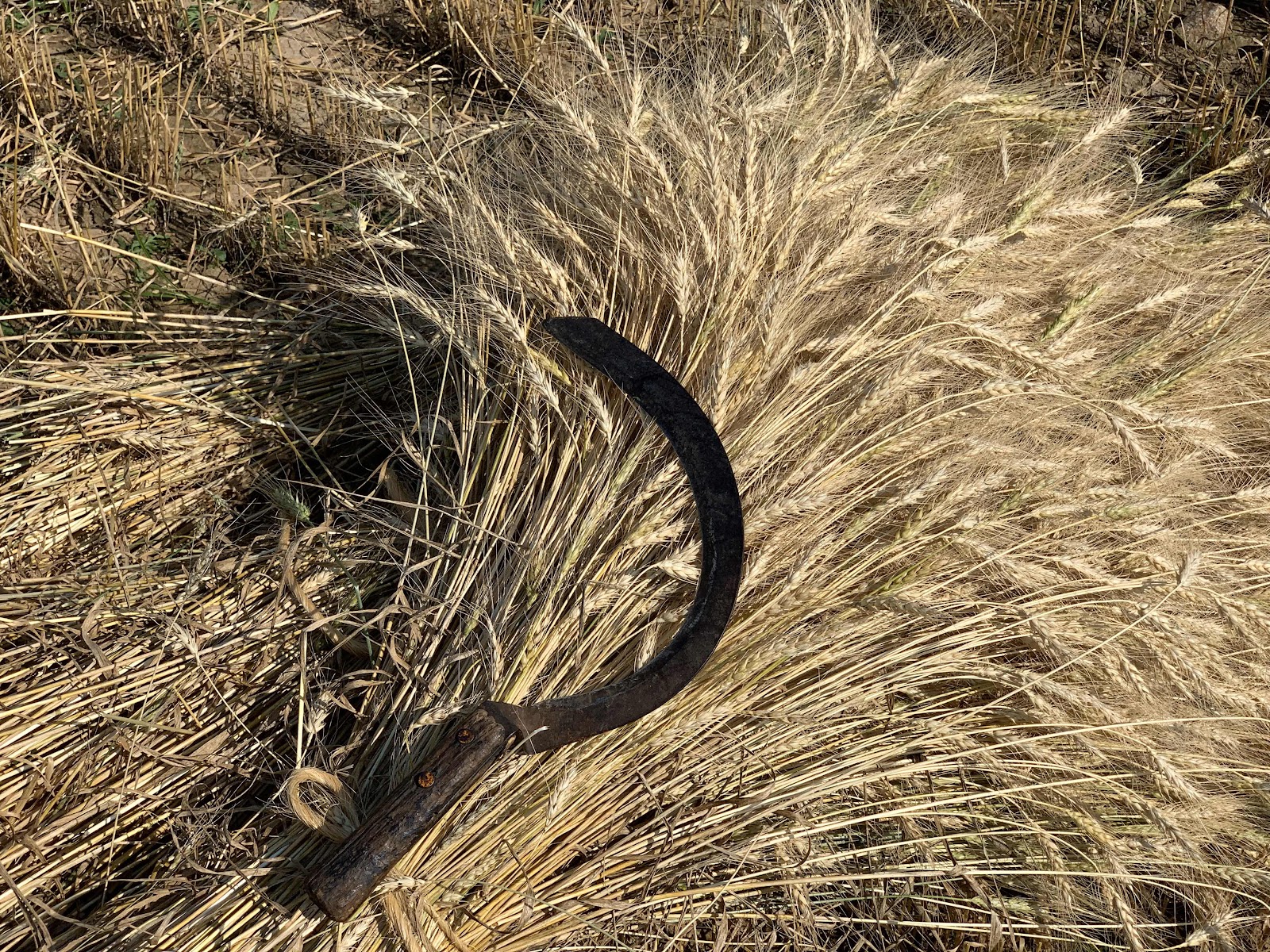
All the java wheat was harvested by sickle.  Although this was just a grow-out year for seed, I'm actually quite excited about it.  The java grew better than anything else this year.  The projected yield was something like twenty bushels per acre, which for this field and in comparison to other 2019 crops was incredible.

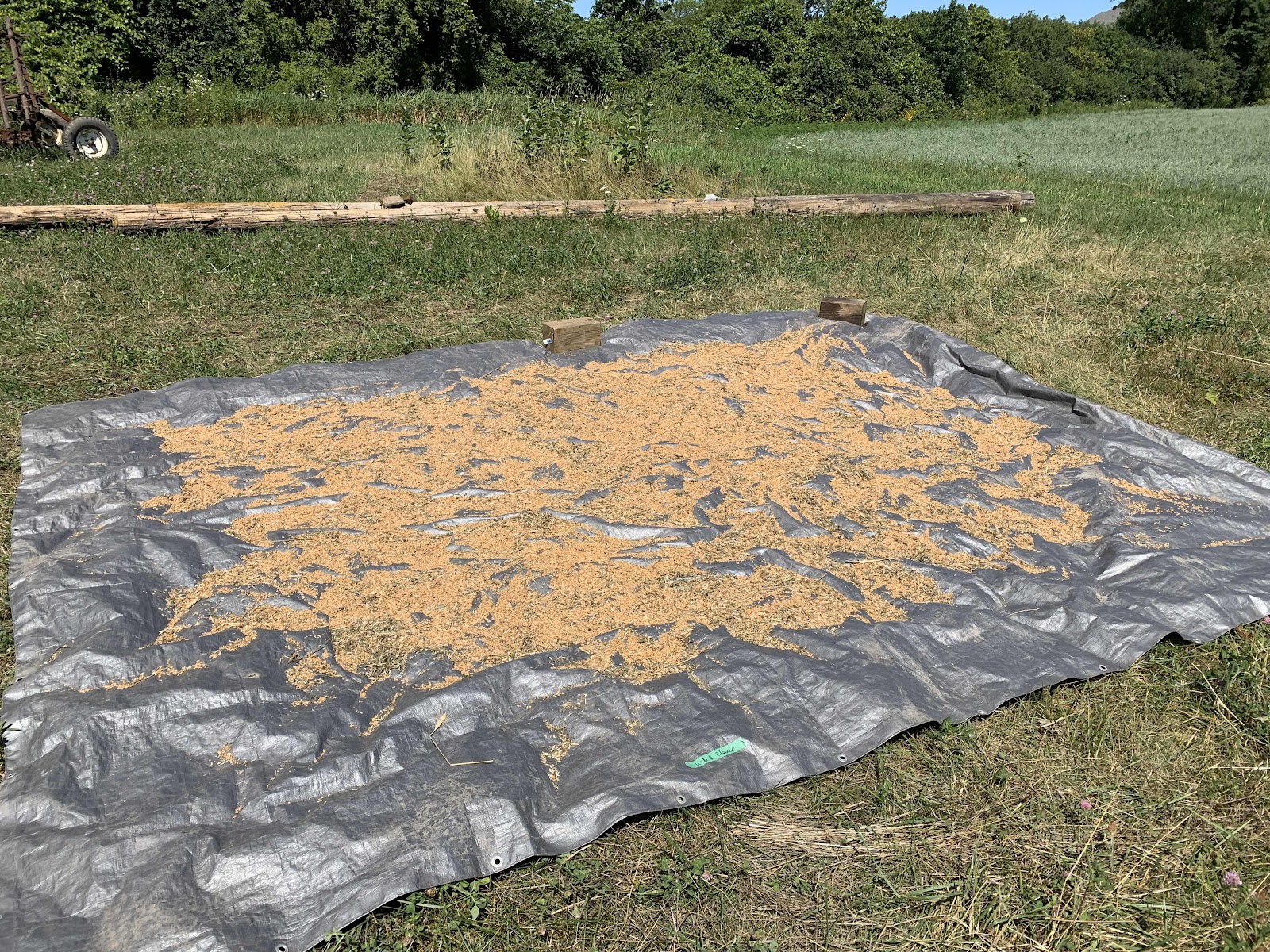
Drying out some seed stock in the sun.  Although this is a pain, if the weather is good it will do a great job of drying out wheat.
Swedish Select, AKA Wisconsin No 5 oats.  Big, beautiful stalks!

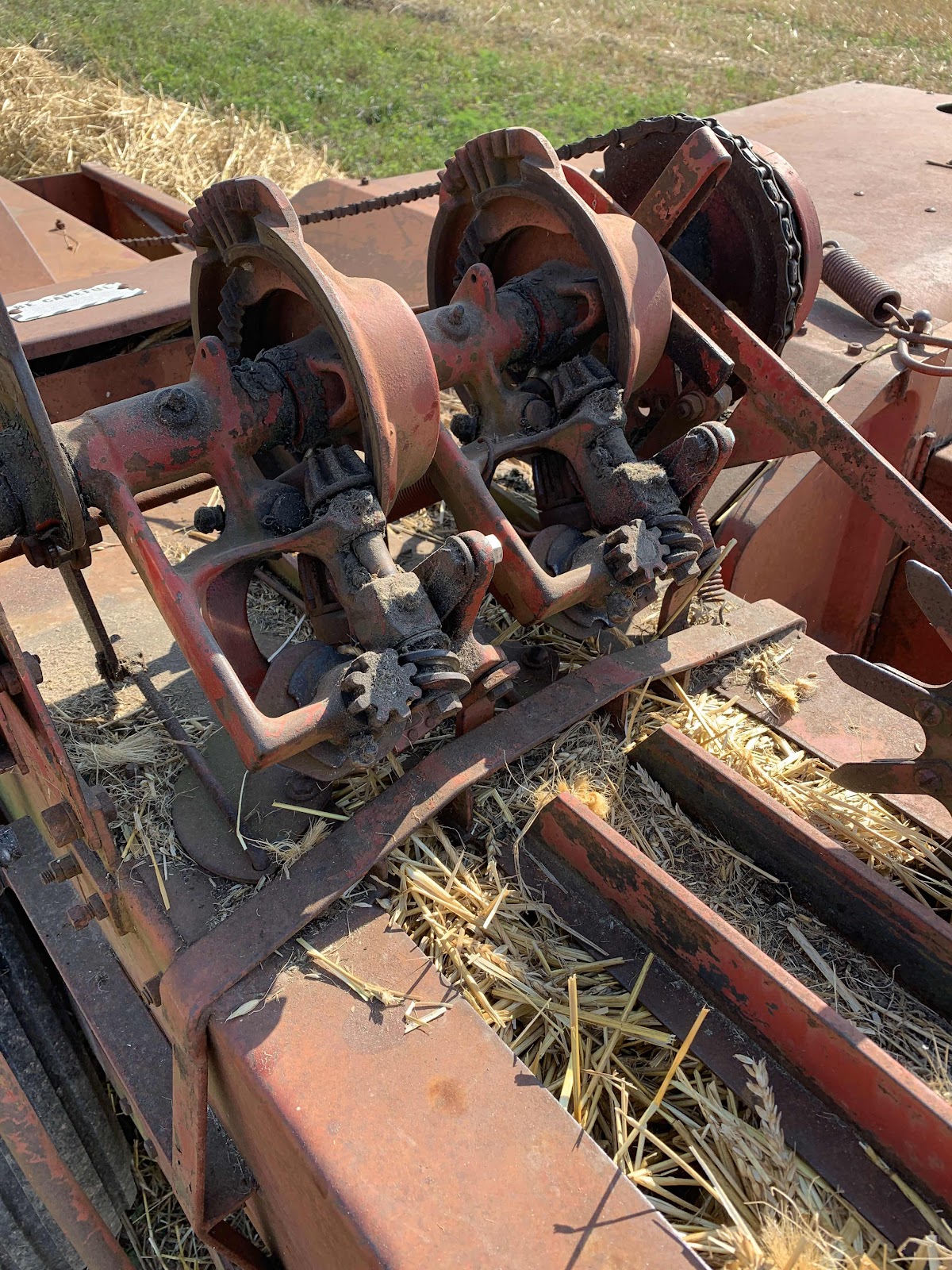
The New Holland baler was a real joy to work on.  It did not do a perfect job, but I found good information online and made decent progress on it.  I am hopeful it will run very well next year.  I baled both straw and hay from the Newman Rd field.

Tuesday, April 9, 2019

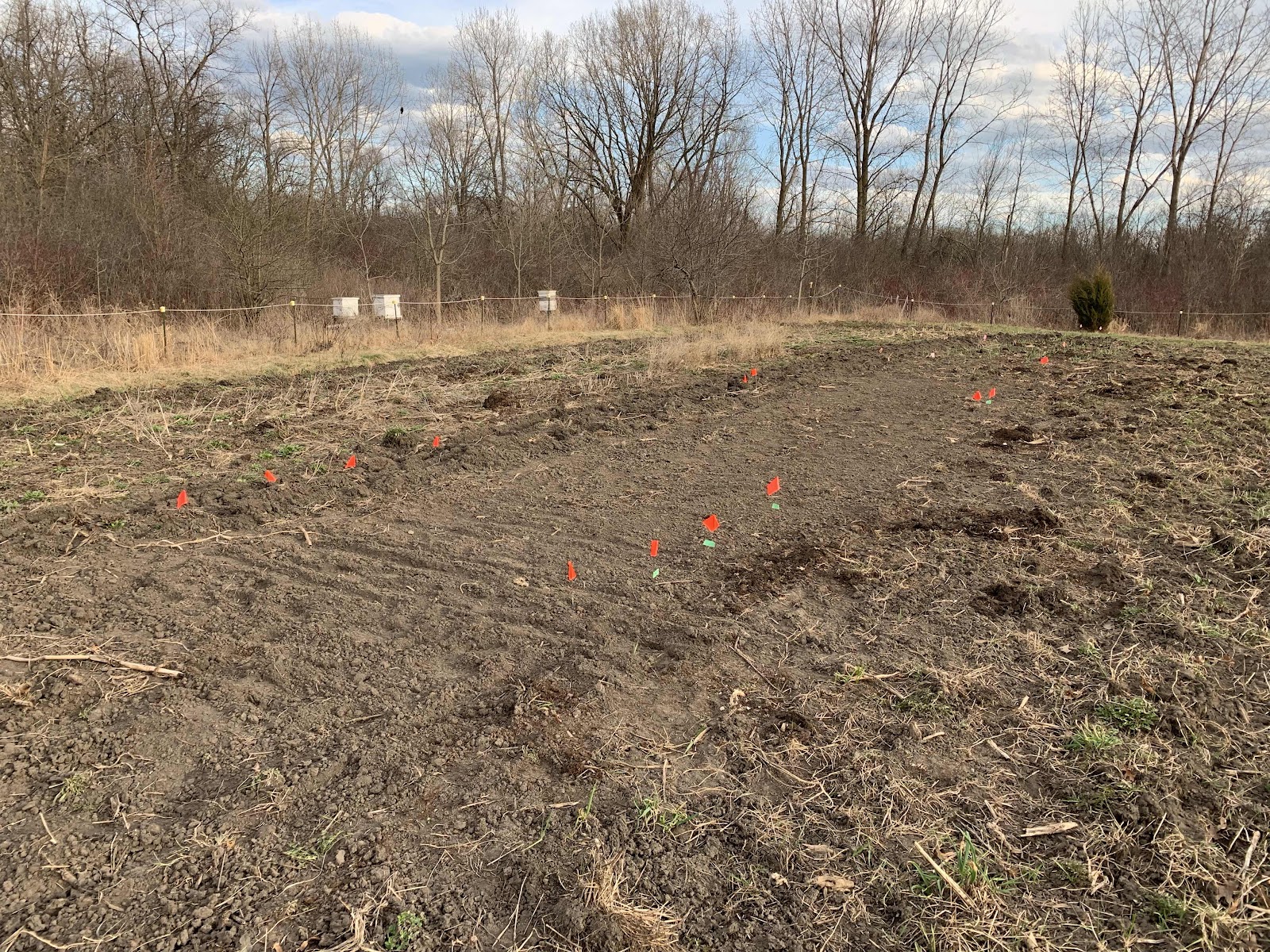
Newman Rd Spring Wheat planting

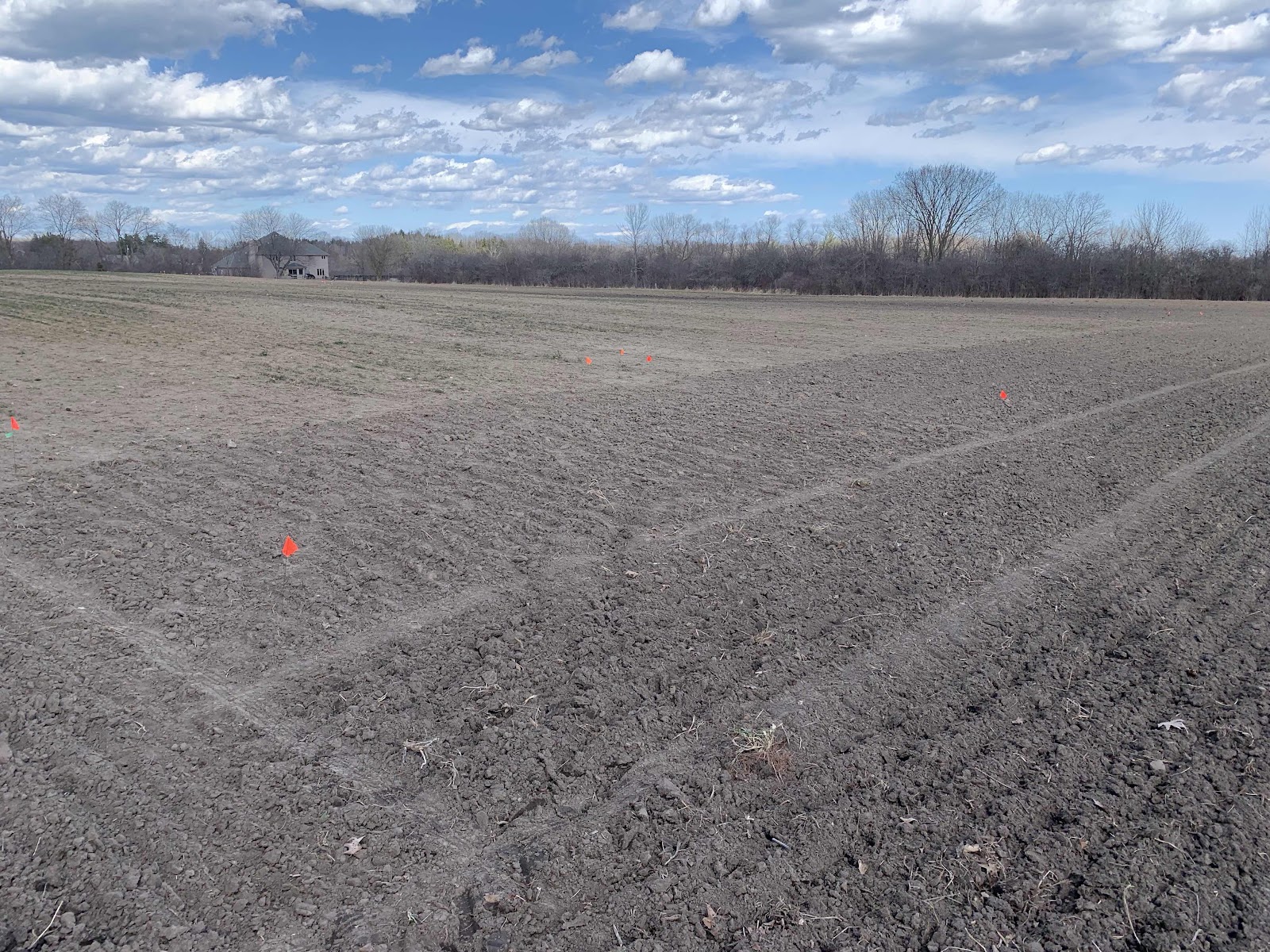
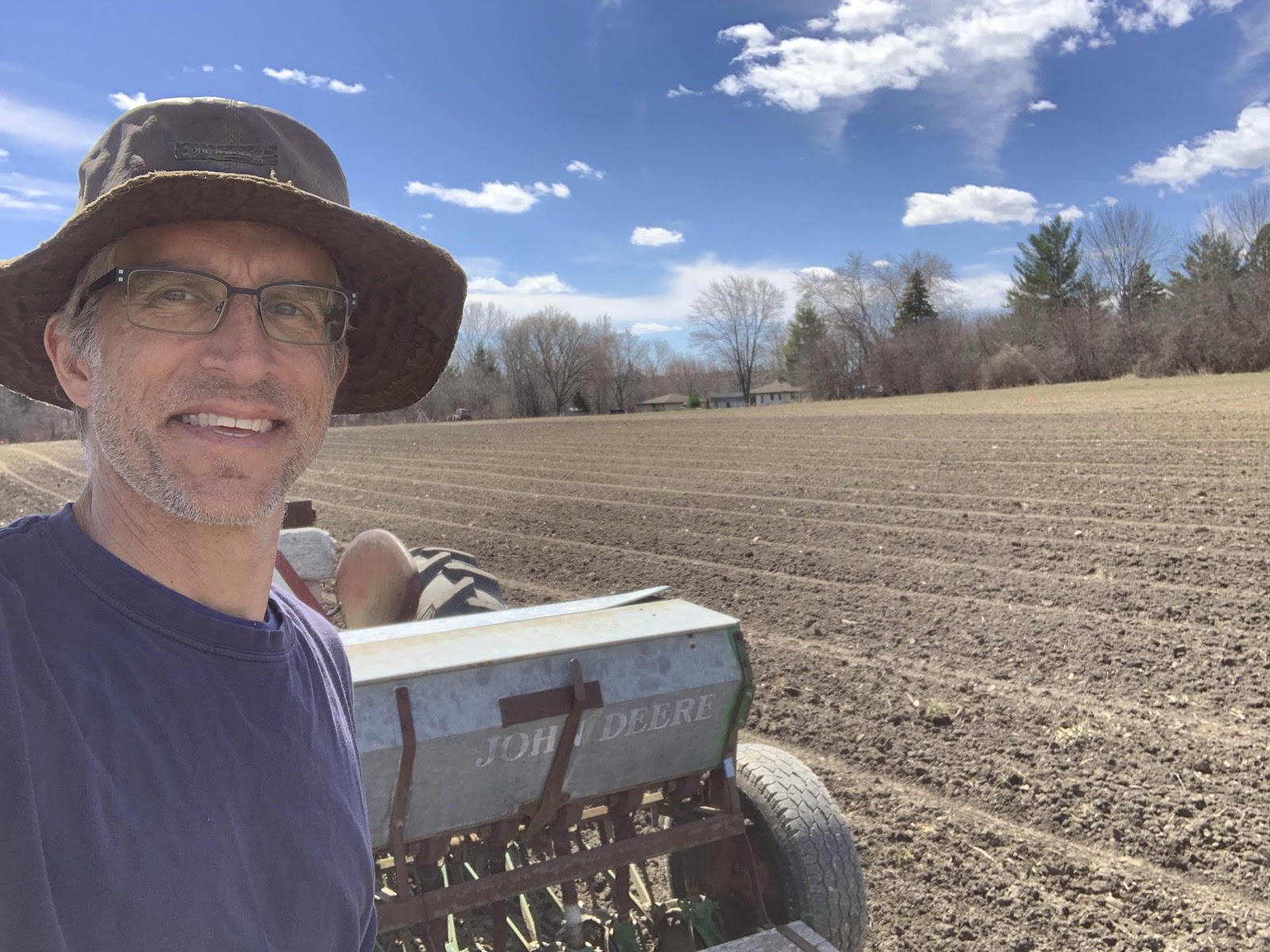
April 9 turned out to be planting day for spring wheat on the Newman Rd field.  I only planted Marquis as market wheat.  The other plantings were test plots for growing out seed.  As I've come to expect, waiting for good planting conditions is sketchy.  We had a reasonable drying trend, but then it rained more on Saturday than I had hoped.  Sunday was not very sunny, but then Monday the sun came out.  By Wednesday there was snow and rain in the forecast.  More rain and cold after that, for at least ten days.  Ergo, plant on Tuesday, or wait another two weeks.

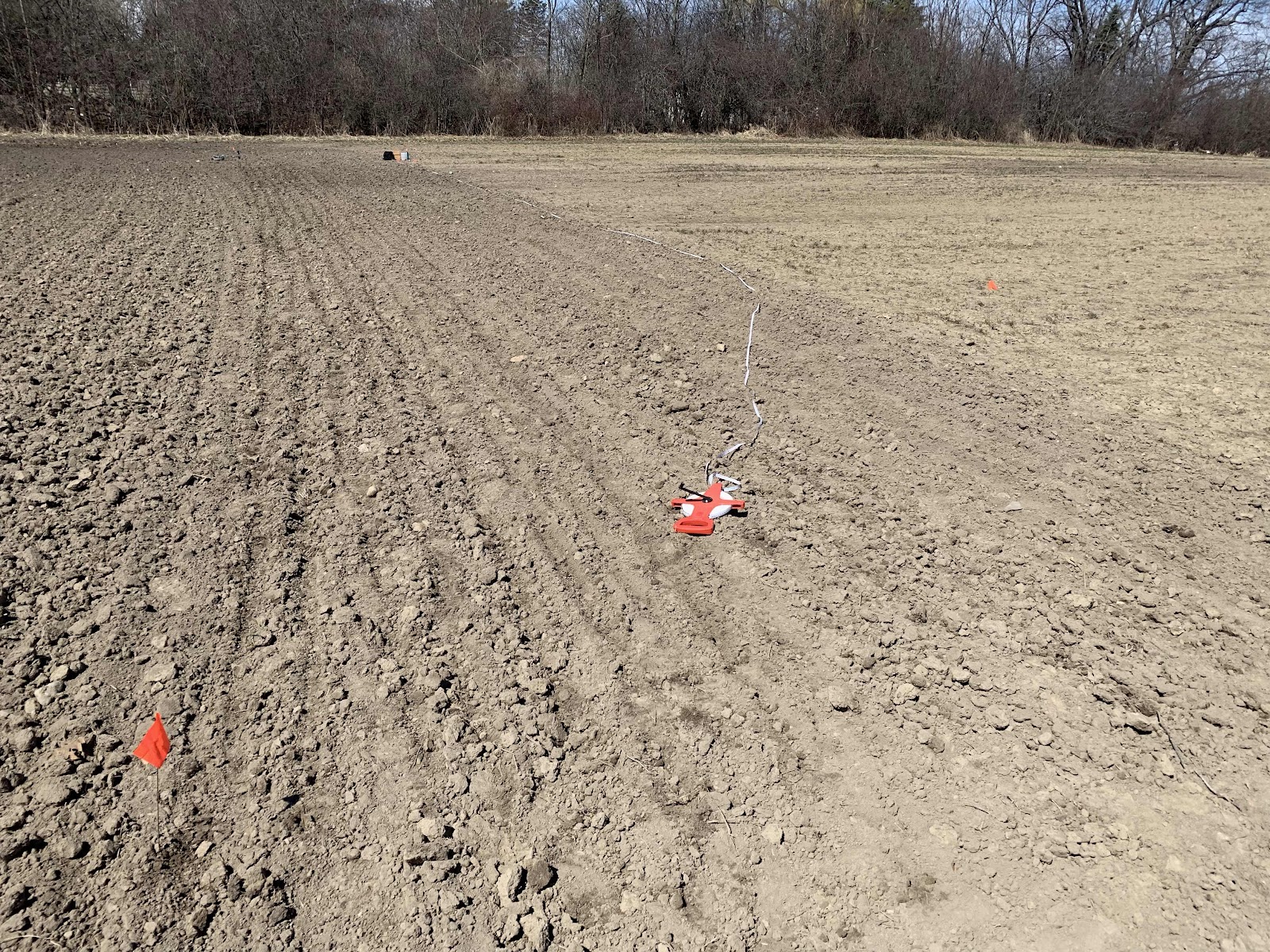
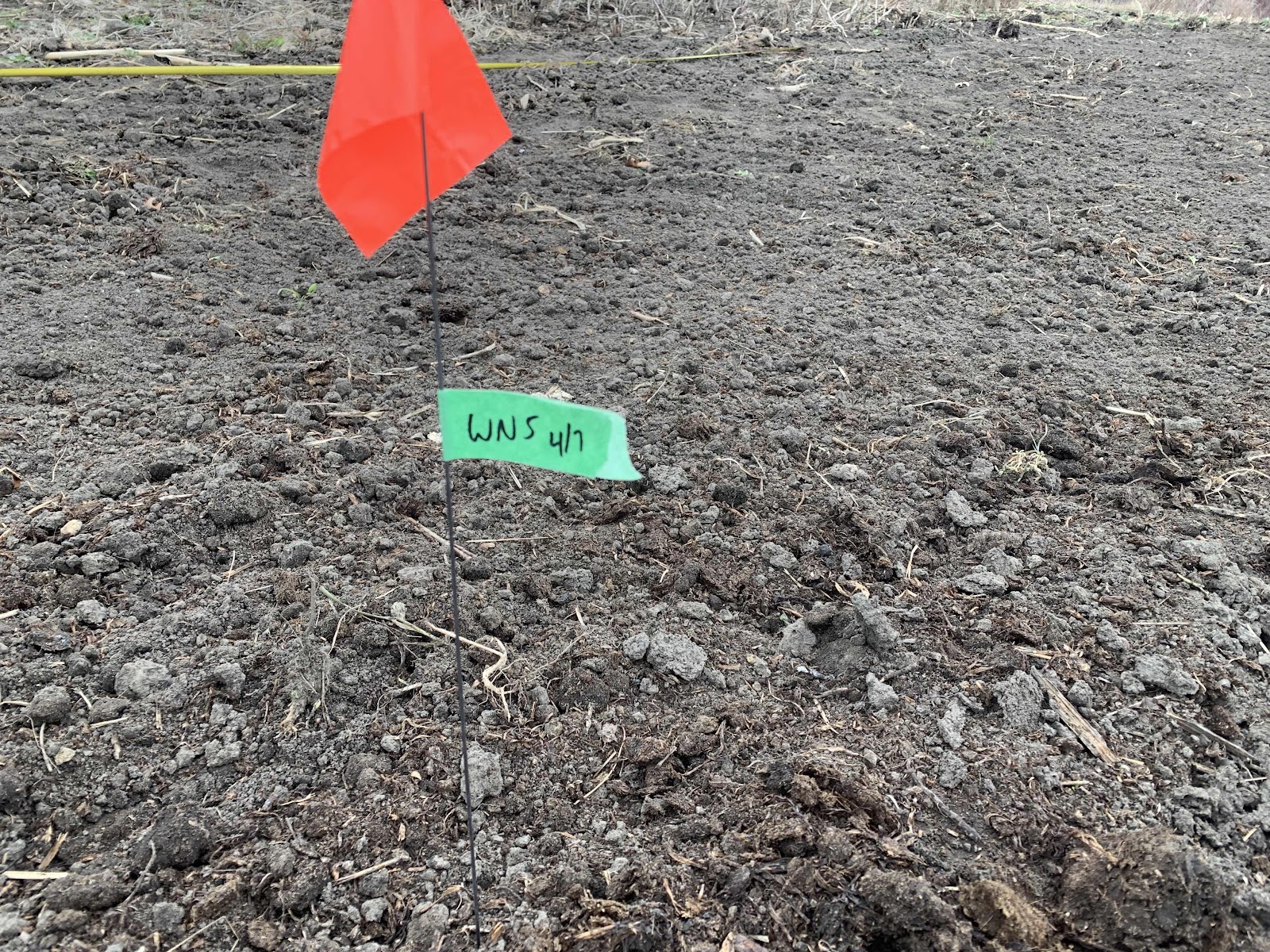
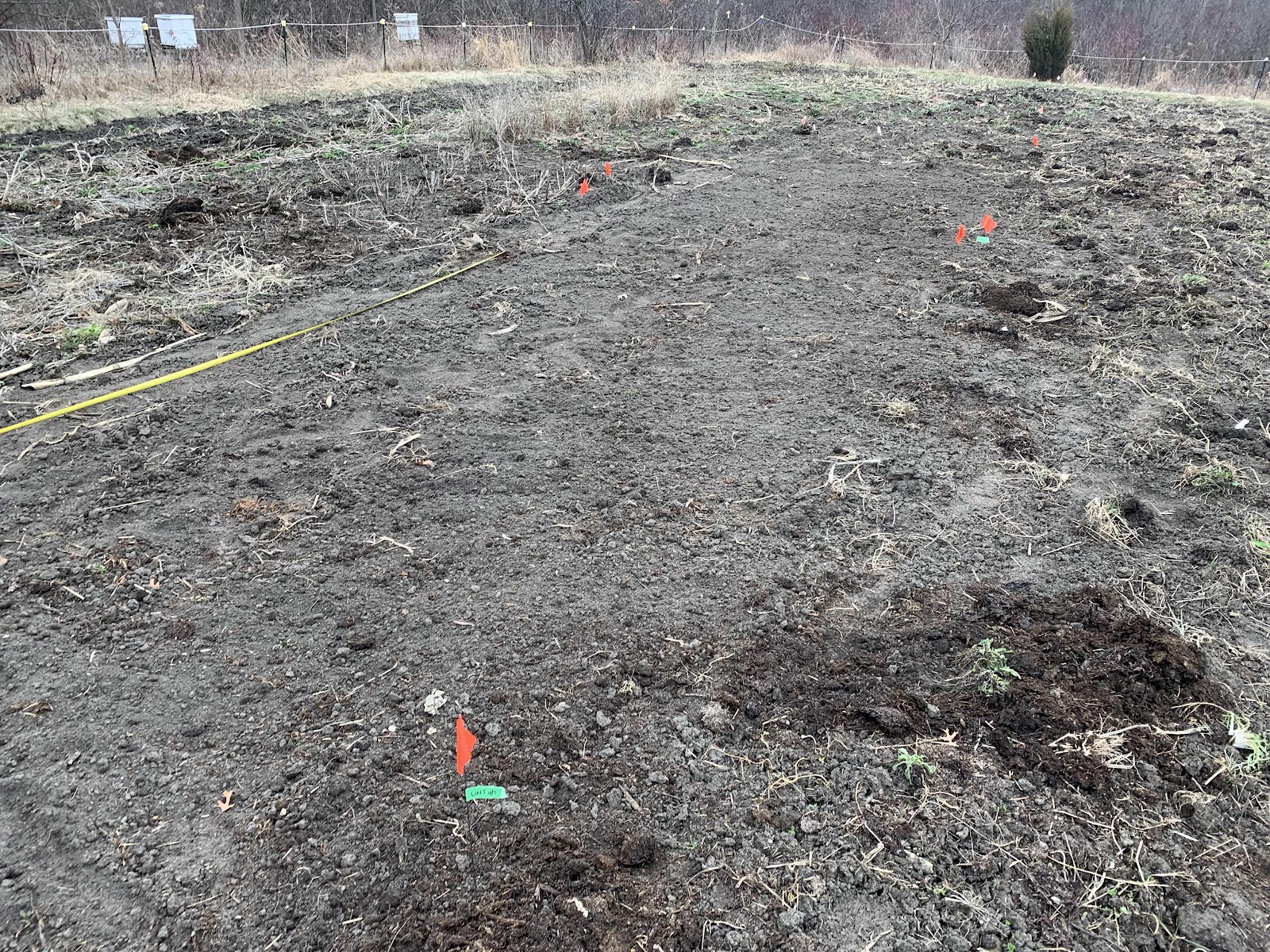
Here are the two test plots, at the South end of the winter wheat planting.  In the foreground is Wisconsin Wonder oats (Wisconsin Pedigree No 1), measuring 27.5' x 15'.  To the right and further back is the strip of Haynes Bluestem, now in it's fourth year of growing out.  That plot is 102' x 15', and it has 2013 grams of seed in it (126 lbs/acre).  This was all done with the Earthway.  I could have used the big drill on the 330 to plant the bluestem, but it would require a lot of messing around with the vacuum cleaner and still using the Earthway to fill in at the ends.  I have found that the van brunt drill is not that great when it gets down to the last few seeds--the seeding rate plummets.  So just running the earthway back and forth for 25 minutes is really the best option.

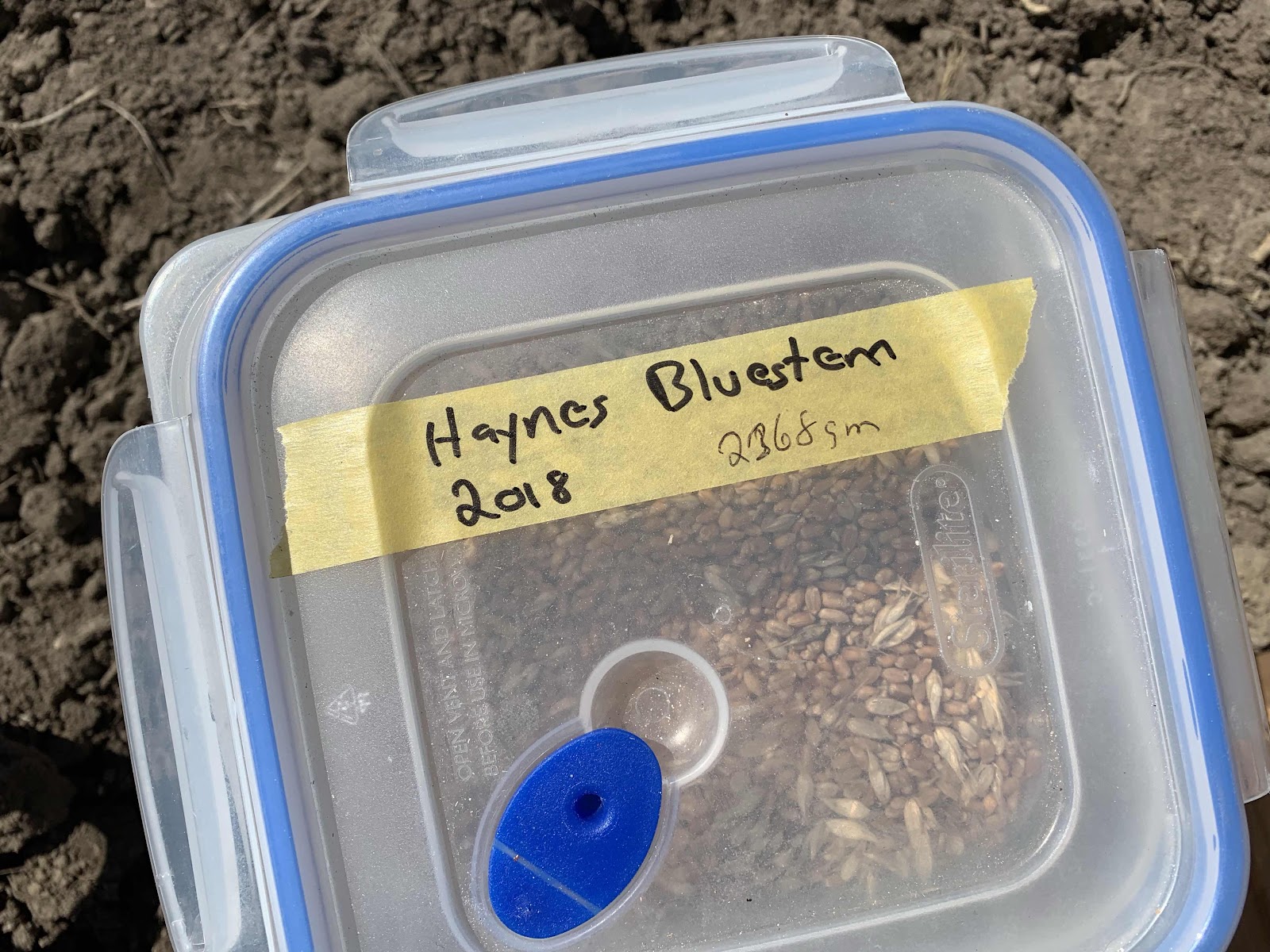
Last year I planted 115 grams of Haynes Bluestem and harvested 2368 grams, almost exactly 20:1.  I hope we can do as well out here--the soil is not quite so good as in my garden.  But 20:1 would yield 80 lbs, which would be pretty nice!  Enough to plant 1/2 acre in 2020.

After planting the Marquis and the small plots for growing out seed, I vacuumed out the wheat seed and filled up the hopper with oats and peas.  I also added some split peas that a supplier was throwing out (all organic btw).  Set the rate to notch 29 and made a few passes on the perimeter of the wheat planting.  I hope to get a summer cover crop in the entire field soon.  But I will have to wait for the wet areas to dry up first.

So the Marquis just went parallel to the winter planting, towards the East.  I basically planted until the slope of the hill got into wetter ground.  This ground was also weedier, because I could not work it well last year.  I stopped at around 95 lbs of seed, which turned out to be 86' of width.  86' x 354.5' = .7 acre.  I was using notch 27, and the planting rate calculates out to 135 lbs/acre.  I would have preferred a little more, around 150/acre.

The Haynes Bluestem, looking west.  The winter wheat is off to the right.

Notch 27 for the Marquis resulted in 135 lbs/acre.


It was 2017 Marquis seed.  I sold every bushed from the 2018 harvest!

I got the tractor stuck after working up the seed bed.  I messed around with some stones and boards, but could not get it to budge.  So I left it for a few hours while I went to plant with the 330.  Later in the day I went back and got it out with the help of a neighbor.  He pulled the drag out of the way with his small utility tractor.  Ultimately, we wrapped a chain around the left tire, attached the chain to a tree, and backed it up until we found solid ground.  What a mess--this is the third time in a year that I've gotten the tractor seriously stuck in this field!

Saturday, April 6, 2019

Homestead test plot spring planting

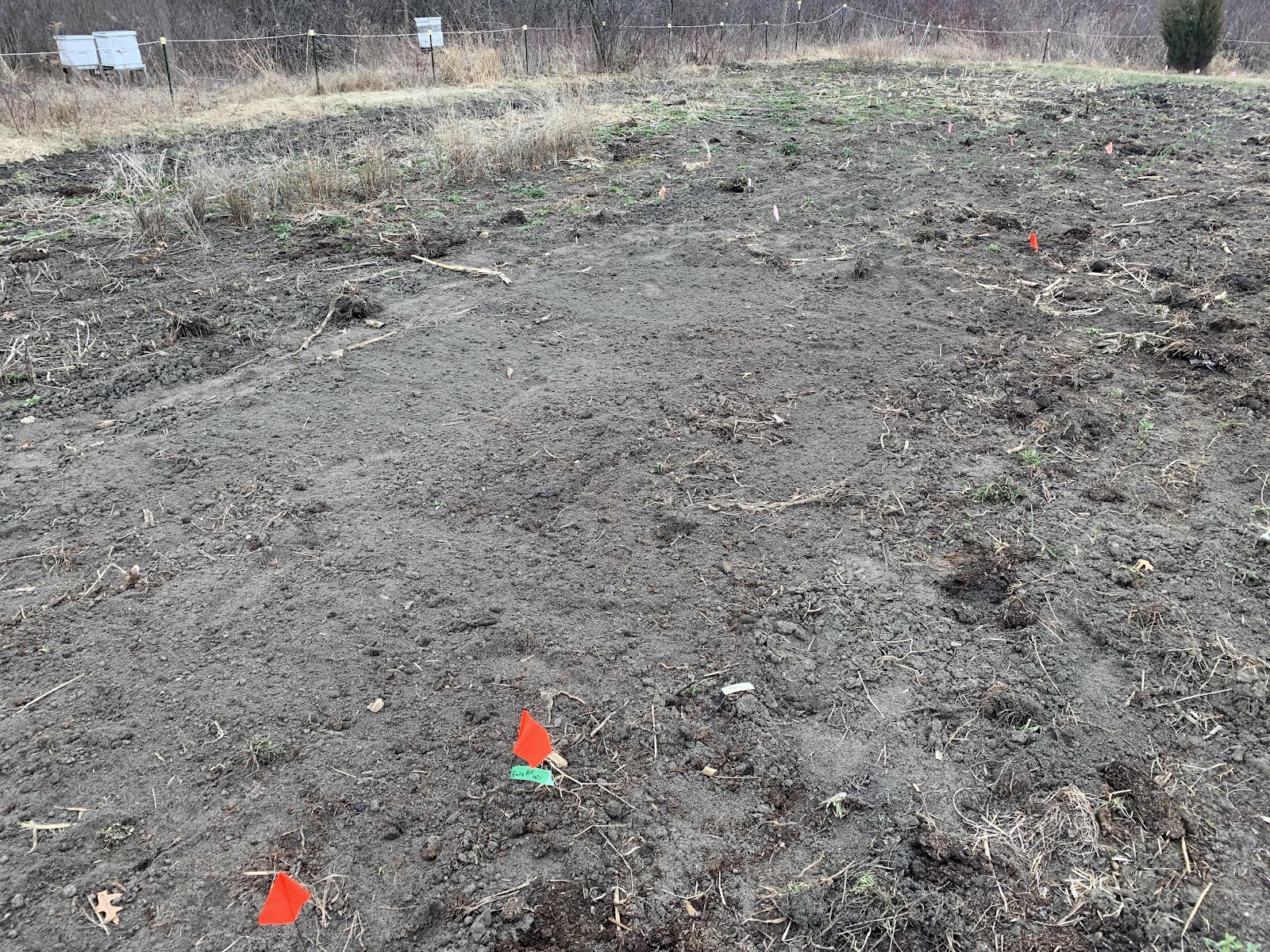
I got some wheat planted in the home test plot.  Soil conditions were not great, but some of the high ground that had been moldboarded last fall was useable.  I just cleaned it up with the wheel hoe and then planted with the earthway seeder.

The strip is 7'4" wide, optimal for covering with bird netting.  I am using 5/8" mesh which mesures 14' x 45'.  So far, this is the best and most durable bird netting I have found (https://www.amazon.com/gp/product/B0016APS14/).  Using my pvc hoops, this net covers 7'4" x 36'.
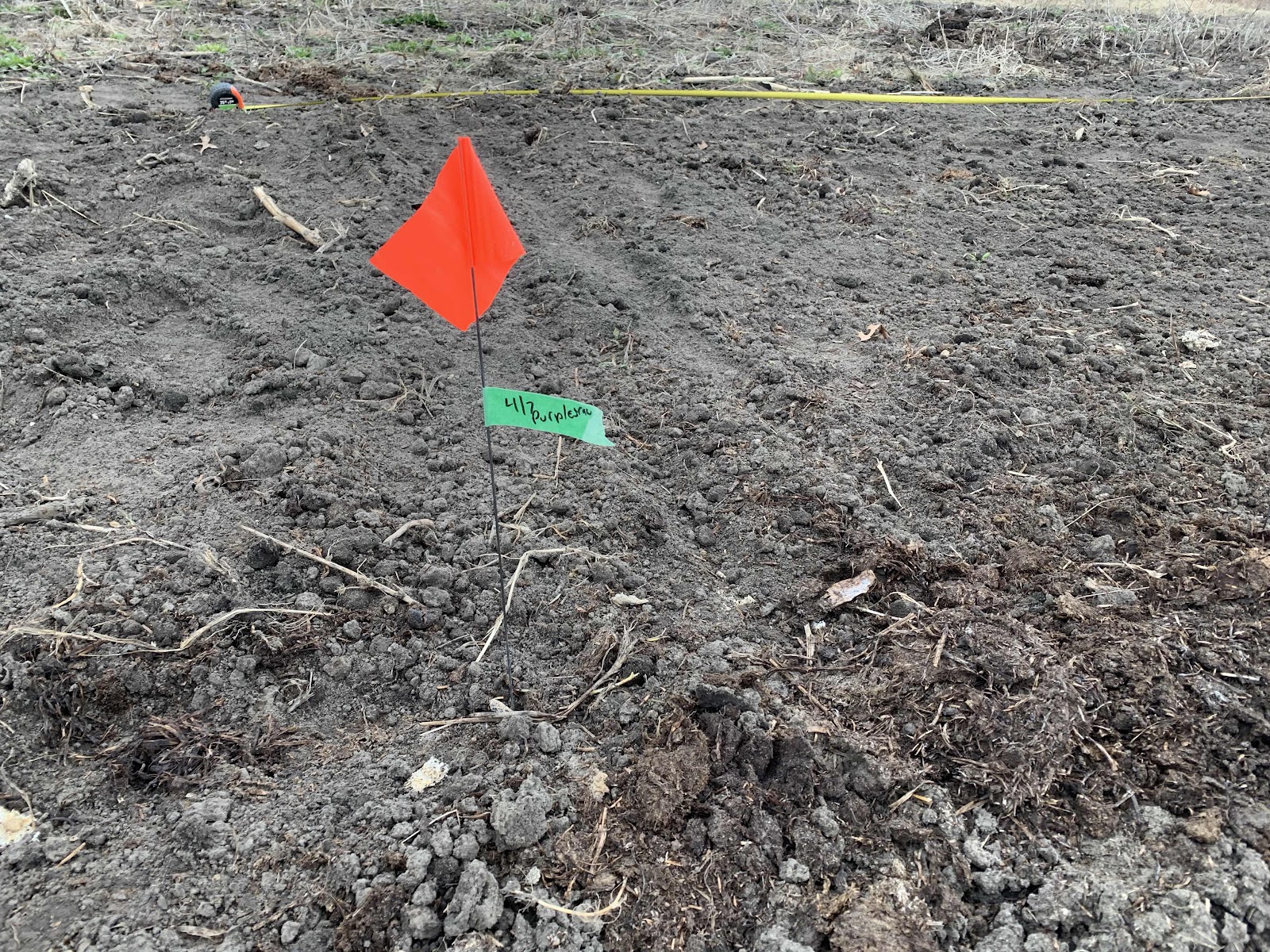
I harvested very little purplestraw last year, and gave most of it to Jerry Hicks.  I kept back 5gm and put it to the South of the Wisconsin No 5 Oats.


I did not weight the oats, but it was 14' of plot.  The beet plate on the earthway did not work well with oats, so I switched to the bean plate.  I should have rubbed out the oats a bit more to de-beard them a bit and make them feed better.


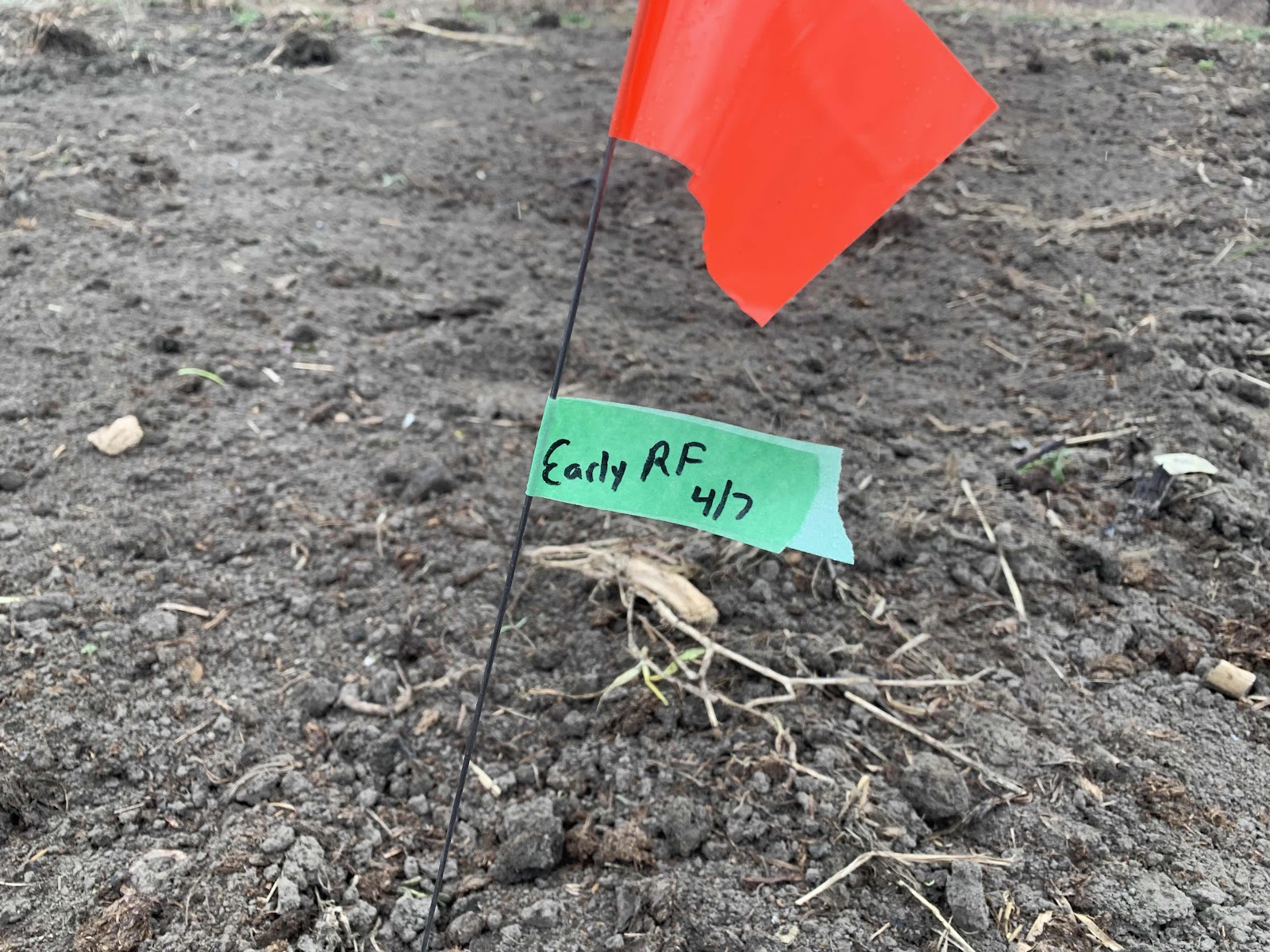
Early Red Fife is on the "high ground," closest to the garlic.  95 grams into 13'.


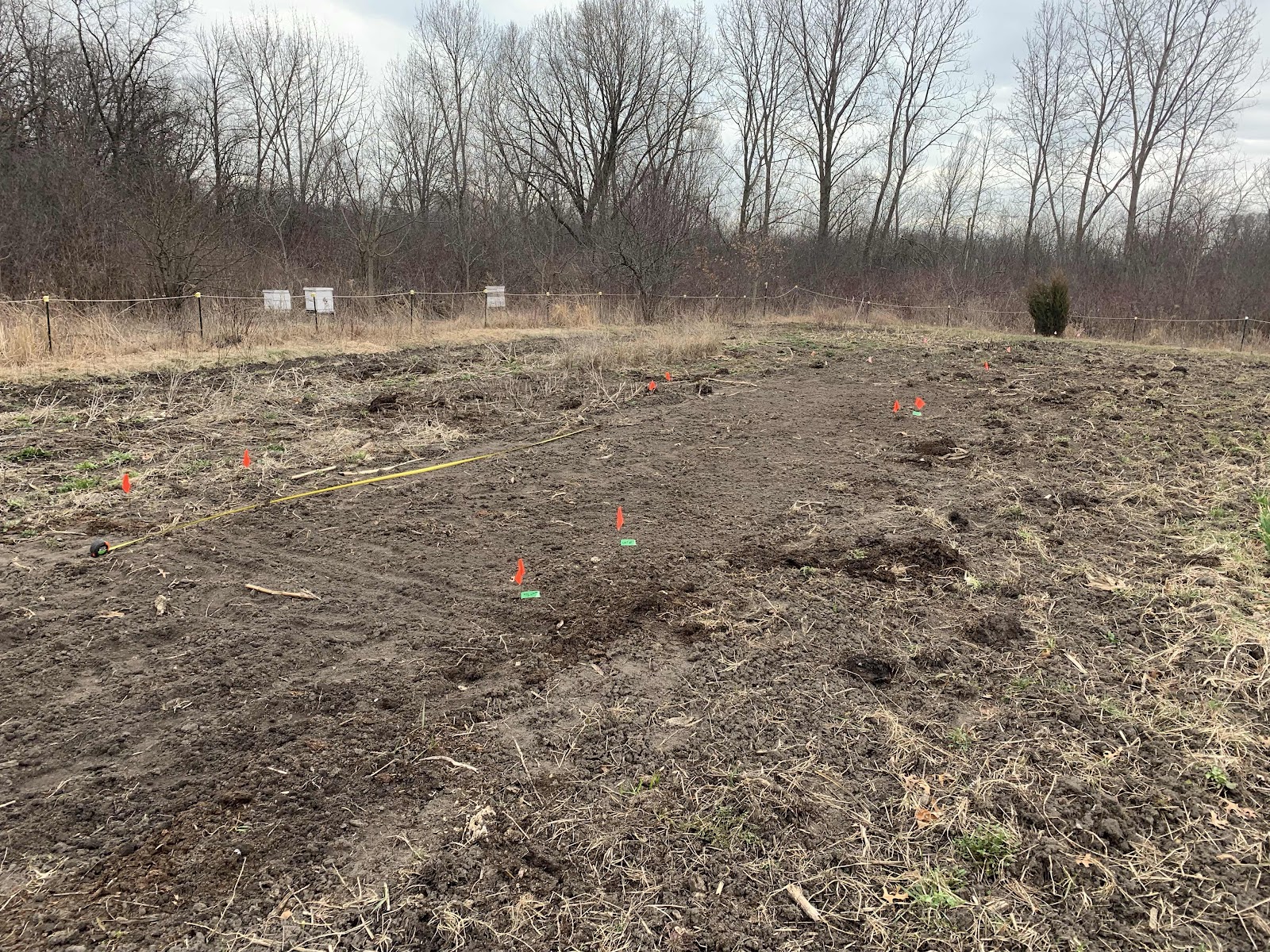
From South to North, there is Early Red Fife, Wisconsin No 5 oats, Purplestraw wheat, Champlain wheat, and Progress wheat.  I put in the Champlain and Progress two days later.  Both are ordinary 5gm samples from the USDA.

Monday, July 2, 2018

Turkey Red Differences

It's very impressive to observe the Vavilov Turkey Red, Ehmke Turkey Red, and Wisconsin No. 2 in the Spring Street field.  They all share the same 2 acre parcel.  The Ehmke surrounds the two smaller plots, which are both in their third year of being grown out from USDA samples.

Seeing the Vavilov Turkey Red, which is basically the USDA's archival example of Turkey Red, diverging from the Ehmke so significantly makes me feel even more strongly that Ehmke (and Heartland, and Stephens Turkey) are not representative of 19th Century Turkey.  My hypothesis is that Wisconsin No. 2, being the oldest extant collection of Turkey (it was collected in 1905 and improved by simple selection), is the most authentic.  Now I just want to bake with it!

The Ehmke Turkey on Spring Street.  Although it looks great in the photo, in reality there is a lot of stuff knocked down.  The downpours have been pretty hard on the field, although it does tend to get up when it dries out.  We had one event of 1.25" in little more than an hour.  This particular field still had standing water on July 2.

All the low areas of Ehmke are pretty well down.  But it's still growing and looks healthy.  Ron is confident we can get it in the combine.

Here is where it gets interesting.  Both the Wisconsin Pedigree No. 2 and Vavilov Turkey are still green.  I'd say they are both 10 days behind the Ehmke.  To me, this is yet more evidence that Ehmke is not "the real Turkey."

More knocked down Ehmke!

Here is Pedigree No. 2 in the pizza plot at home.  It's starting to turn and show the red stems again!

The Wisconsin Pedigree oats in the test plot.

Haynes Bluestem.

This is the Haynes up close.

The Haynes stems are faintly bluish.

The Java was knocked down by the rain, unlike the Haynes which is fully standing up.

Tuesday, April 10, 2018

Oats added to the test plot

I added some historic oat varieties to the test plot today.  Wisconsin Wonder, aka Wisconsin Pedigree No. 1, was released in 1900 by the University.  I hope to grow this out and see how it tastes.


Wisconsin No 5 was selected from a variety called Swedish Select.  The University began its work on this oat variety in 1898.


Both oat plots are three rows only.  The Eastern one is Wisconsin Wonder, and the Western one is Pedigree No. 5.  They are sandwiched between the remaining spring wheat tests, the winter wheat test plot, and two rows of vegetables.